installation maintenance · evaluation
Fruit Pulper Installation Readiness and Maintenance Scope
Installation and maintenance planning should establish a safe, cleanable and inspectable equipment setting before routine use begins. The plan covers foundation readiness, access, guarding, isolation boundaries, alignment review and observable condition records for the screen, rotor or shaft, bearings, seals and drive. It does not prescribe machine-specific methods or service intervals. Planned readiness and recurring observations belong here, while diagnosis of an observed operating symptom belongs in the separate troubleshooting guide.
Define the site and maintenance boundary before arrival
A readiness plan connects the proposed equipment location with the information supplied for the actual machine. It records the prepared foundation, surrounding access, product and reject connections, sanitation needs, guarding boundary, site services and responsible reviewers. The purpose is to expose missing inputs before placement and commissioning, not to invent dimensions or construction details. Foundation design, anchoring, alignment criteria and connection loads require project-specific information and competent review for the selected equipment and site.
Access planning should consider normal observation, sanitation, approved inspection and eventual service without assuming that an open floor area is sufficient. Review how personnel reach covers, screen access, product-contact surfaces, bearings, seals, drive components and reject handling points. Keep removal paths and working space visible during layout coordination. The arrangement should also avoid surrounding pipework, platforms or collection equipment that would block access needed to keep food-contact areas clean and inspectable.
Guarding and safe isolation are project boundaries that must be confirmed against the delivered machine and site system. This page can identify access points and components that may require isolation before authorized work, but it cannot define lockout steps or permission rules. Record who verifies installed guards, who controls site isolation documentation and who authorizes inspection access. Any unresolved boundary remains open until the applicable machine information and site process agree.
Maintenance planning starts with a component and access inventory rather than a generic calendar. The screen, rotor or shaft, bearings, seals, drive, fasteners and cleaning access points all need observable condition records appropriate to the delivered arrangement. The plan may identify what should be seen, heard or documented during authorized observation, yet the machine-specific method, acceptance limit, service interval and replacement decision must remain tied to the equipment documentation and operating duty.
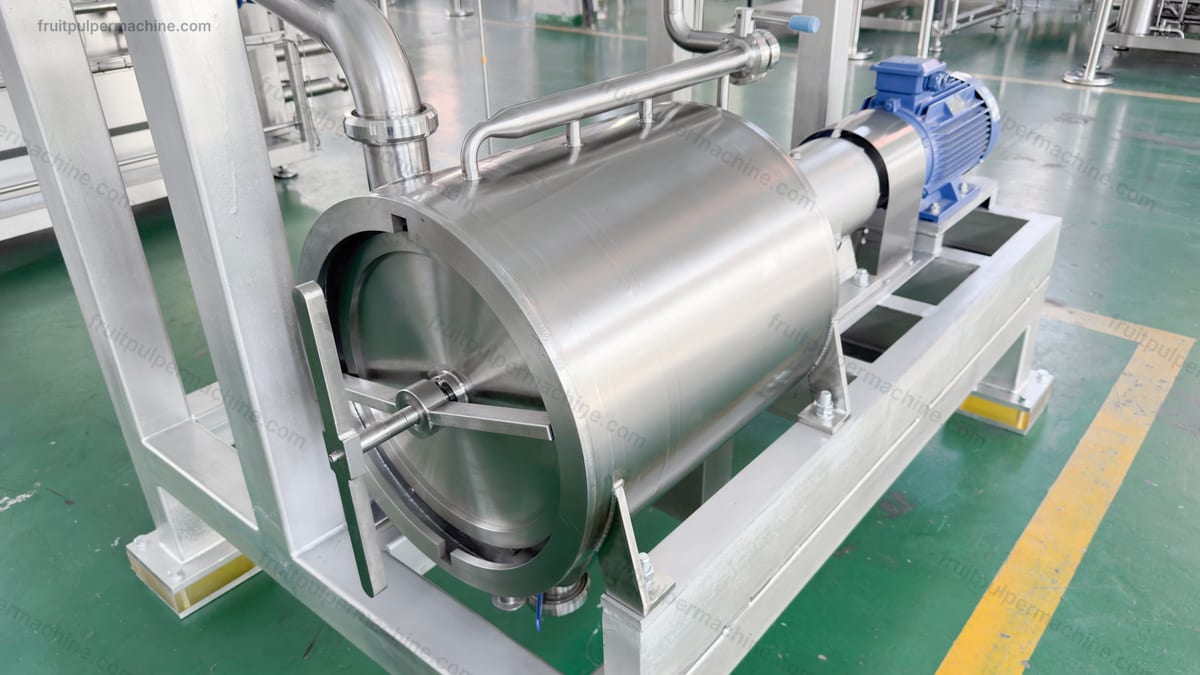
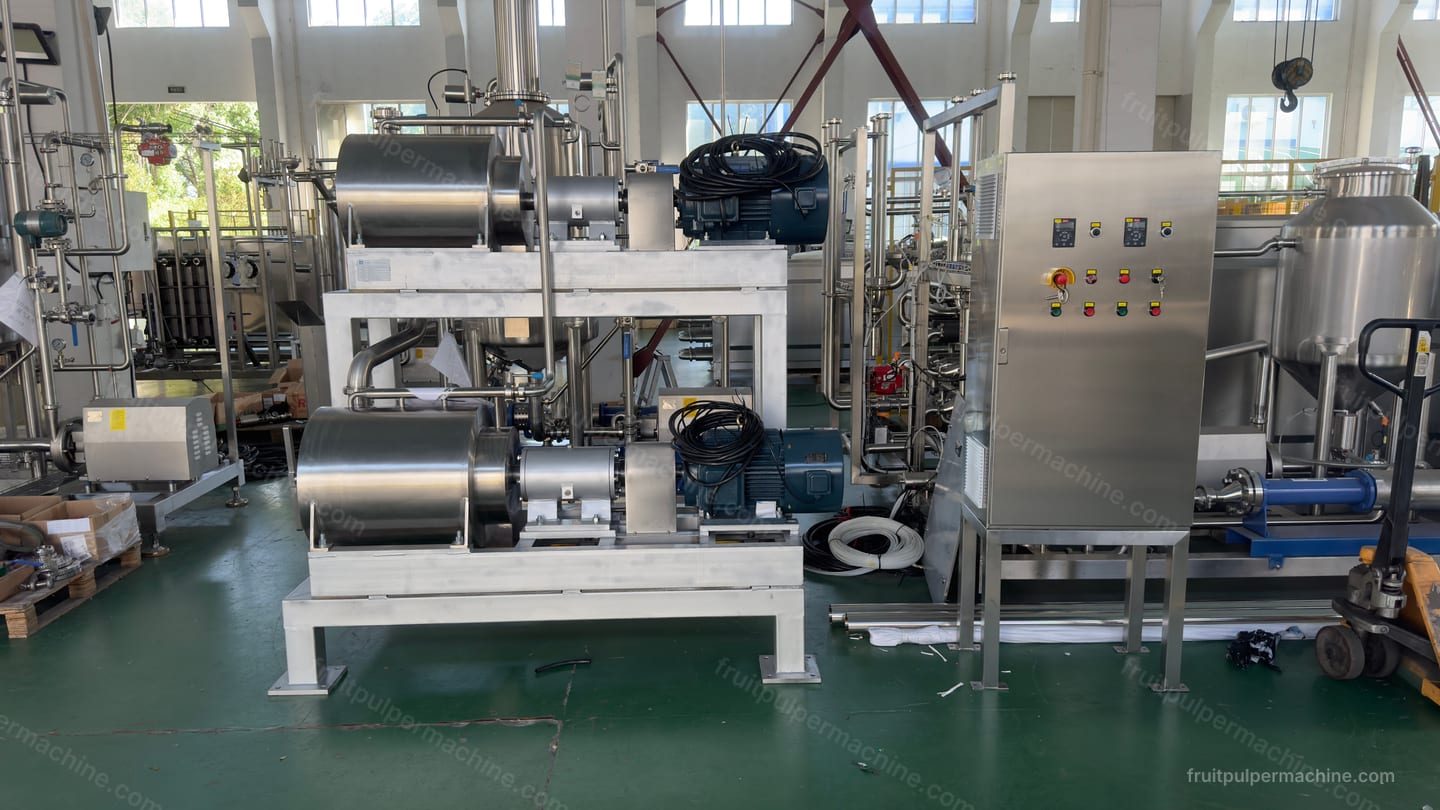
Commissioning and inspection readiness checklist
- Confirm that the foundation and support arrangement have been reviewed for the selected equipment information, planned connections and site conditions. Record approval ownership without prescribing anchors, loads or construction details.
- Confirm accessible routes for observation, sanitation, screen access, approved disassembly and component handling. Check that surrounding equipment, pipework, platforms and reject collection do not obstruct the planned access envelope.
- Verify that delivered guards and site isolation boundaries are included in the commissioning review. Assign responsibility for authorization and documentation without turning this checklist into a lockout instruction.
- Record alignment review for the machine, drive and connected transfer equipment using the applicable project and machine information. Do not infer an acceptable tolerance from generic guidance.
- Confirm that product-contact areas, covers, screen surfaces, pulp collection points and cleaning access points can be reached under the approved sanitation approach. Record any obstruction or inaccessible transition for resolution.
- Create baseline observations for visible screen condition, seating, accessible fasteners and the observable rotor or shaft condition. Keep acceptance limits and invasive inspection methods within machine-specific documentation.
- Create baseline observations for accessible bearing areas and seals, including visible condition, contamination concerns and evidence of leakage. Avoid converting a general observation into a replacement instruction.
- Record the installed drive arrangement, guard status, accessible connection condition and any unusual observation present during the approved commissioning review. Machine-specific service actions remain outside this checklist.
- Transfer the applicable inspection items, service intervals, approved methods and replacement criteria from the delivered documentation into the site maintenance system. Keep revision and responsibility visible.
Build a planned readiness and observation record
Collect the actual project inputs
Bring together the selected machine information, proposed location, foundation review, surrounding connections, access concept, sanitation approach, guarding boundary and site responsibility map. Mark missing or provisional inputs before installation activity advances. This creates a controlled readiness basis while avoiding generic assumptions about dimensions, loads, alignment limits or utility connections that can only be resolved for the actual project.
Walk the access and sanitation boundaries
Review personnel approach, cover access, component handling paths, product-contact access, drainage intent and the position of nearby equipment. Confirm that reject collection and connected transfer equipment do not prevent approved observation or sanitation. Record obstructions as project actions. A drawing review helps, but the installed setting still needs confirmation before the access plan is treated as ready.
Establish observable baseline condition
Before routine records begin, document the observable condition of the screen, rotor or shaft, bearing areas, seals, drive, guards, accessible fasteners and cleaning access points. Use consistent descriptions and photographs where site policy permits. A baseline supports later comparison but does not establish a universal acceptance threshold. Any required measurement or internal access must follow the applicable machine information and authorized site process.
Keep observations attached to operating context
When planned inspection includes an operating observation, record the fruit, preparation, feed condition, screen condition, pulp appearance and reject behaviour that provide context. Do not change settings or parts merely because an observation differs from the baseline. This maintenance record preserves comparable context. If an observed symptom requires diagnosis, move that question into the troubleshooting workflow rather than expanding routine inspection into an improvised correction procedure.
Build the schedule from controlled documentation
Create planned tasks from the delivered equipment documentation, operating duty and approved site practices. Identify the responsible role, required authorization, record location and escalation path. Review the plan when the machine configuration, fruit duty, sanitation approach or surrounding installation changes. Generic guidance can define the scope of attention, but it cannot supply service intervals, replacement limits or task methods for an unseen machine.
Keep planned maintenance separate from diagnosis
- Planned inspection asks whether access, guards, sanitation points and listed components remain observable under the approved maintenance scope. It creates condition records without diagnosing an operating symptom.
- A change in pulp, reject, feed behaviour or machine observation may trigger separate troubleshooting. Routine records supply context but should not prescribe a correction before causes are compared.
- Visible access does not prove cleaning effectiveness. The site needs a soil-aware sanitation procedure and verification suitable for the product, cleaning method and food-contact boundary.
- A material description alone does not establish suitability for every product, cleaning chemistry or jurisdiction. Maintain the selected material and construction basis with the project record.
- Revisit readiness and maintenance scope after changes to equipment, connected machinery, sanitation practice or fruit duty. Preserve the previous baseline and document the reason for revision.
Make inspection records useful without inventing limits
A useful inspection record identifies the machine configuration, observation location, access status, responsible role and operating context that accompanied the review. Describe visible screen, rotor or shaft, bearing, seal, drive, guard, fastener and cleaning-access condition with consistent vocabulary. Attach photographs or approved references where site practice allows, and preserve the prior record for comparison. Do not label a condition acceptable or rejected unless the applicable documentation provides that decision basis and the authorized reviewer applies it.
Sanitation observations should identify whether intended product-contact areas and transitions were accessible under the approved cleaning approach. Record retained soil concerns, damaged accessible surfaces, leakage evidence or an obstruction as observations that need review, not as proof of a universal cleaning failure. Material and construction suitability remains connected to the intended food contact, corrosion conditions and cleaning method. Cleaning effectiveness still depends on the site procedure, soil assessment and verification rather than appearance alone.
The maintenance plan should define how an observation is escalated without prescribing the technical answer in advance. Preserve the observed condition, relevant feed and preparation context, screen status, pulp appearance and reject behaviour before settings or parts are changed. Refer machine-specific acceptance and service decisions to the controlling documentation and responsible reviewer. When the concern is an operating symptom, create a separate troubleshooting record so planned inspection history remains intact and diagnostic reasoning does not become an undocumented maintenance action.
Prepare the readiness brief
Provide the machine information, proposed setting, access plan, sanitation approach, connected equipment and site responsibility boundaries for readiness review.