home · awareness
Fruit Pulper Machine: Define the Category Before Selection
A fruit pulper is a mechanical separation category, not a complete processing line and not a result that can be judged from an isolated equipment label. A useful evaluation begins with the prepared fruit, the desired pulp character, the reject stream, and the surrounding process. This guide explains the category boundary so a buyer can decide whether pulping is relevant before comparing configurations or preparing an inquiry.
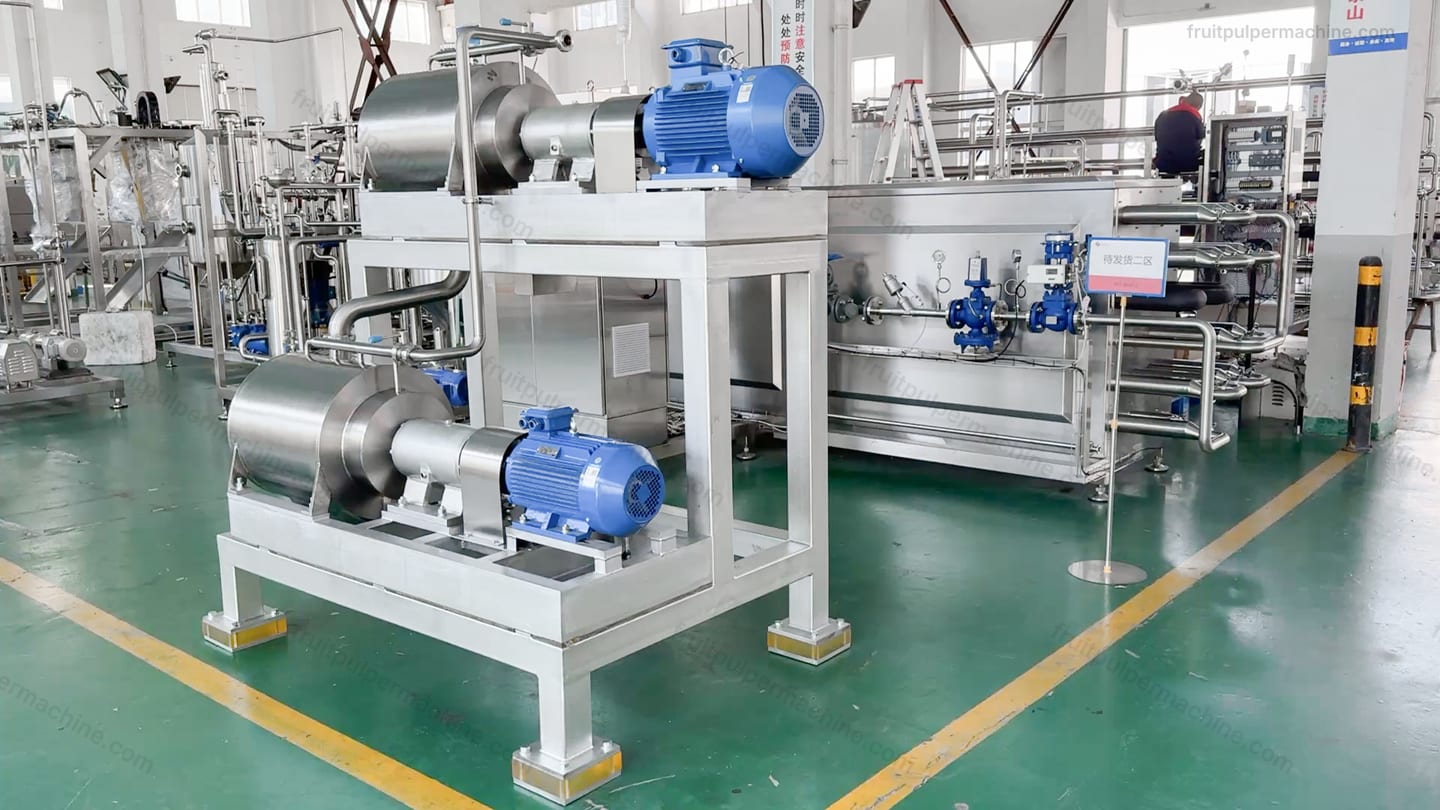
What the equipment category is meant to do
In a typical pulping duty, prepared fruit enters a working chamber where a rotating screw, worm shaft, or beater assembly moves the material toward a perforated screen. Contact between the moving assembly, the fruit, and the screen encourages the soft edible fraction to separate from coarser structures. The description is intentionally functional because rotor form, motion, and chamber geometry differ. The category should therefore be understood through the separation task rather than through a generic silhouette or equipment name.
The pass stream contains pulp and liquid that move through the screen openings. A separate outlet carries material retained by the screen, which may include skins, seeds, pits, fibrous pieces, or other coarse residue. These descriptions are not promises of complete removal. Whether a component passes or remains with the reject depends on fruit structure, preparation, and the selected separation surface. Both outlets need names and acceptance criteria before the equipment can be evaluated sensibly.
A pulper performs one bounded operation inside a larger route. It does not replace incoming inspection, washing, trimming, size reduction, finishing, preservation, filling, or the transfer and handling arrangements between those duties. Some projects need only a coarse separation stage, while others need preparation before pulping and further refinement afterward. The correct question is not whether a pulper can stand alone, but whether its separation function closes a clearly defined gap in the proposed flow.
The outcome of this first evaluation should be a bounded duty statement rather than a preferred configuration. It should name the prepared material, the separation objective, the acceptable pulp character, the expected coarse stream, and the operations on either side. It should also identify uncertain fruit behavior that needs to be observed in representative material. With that foundation, later discussions can compare mechanisms, screen strategies, trial conditions, and line interfaces against the same task. Without it, a technically detailed proposal may still answer a different question from the one the process actually presents. Category definition is therefore a control on comparison quality: it keeps material variability, outlet expectations, and process context visible before any operating discussion is treated as meaningful.
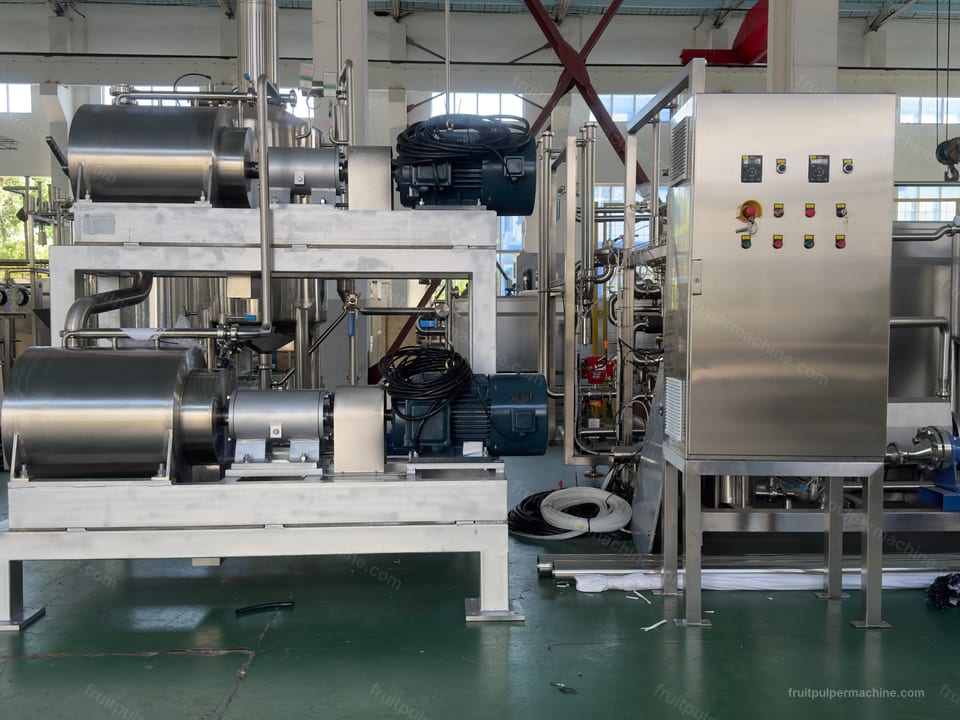
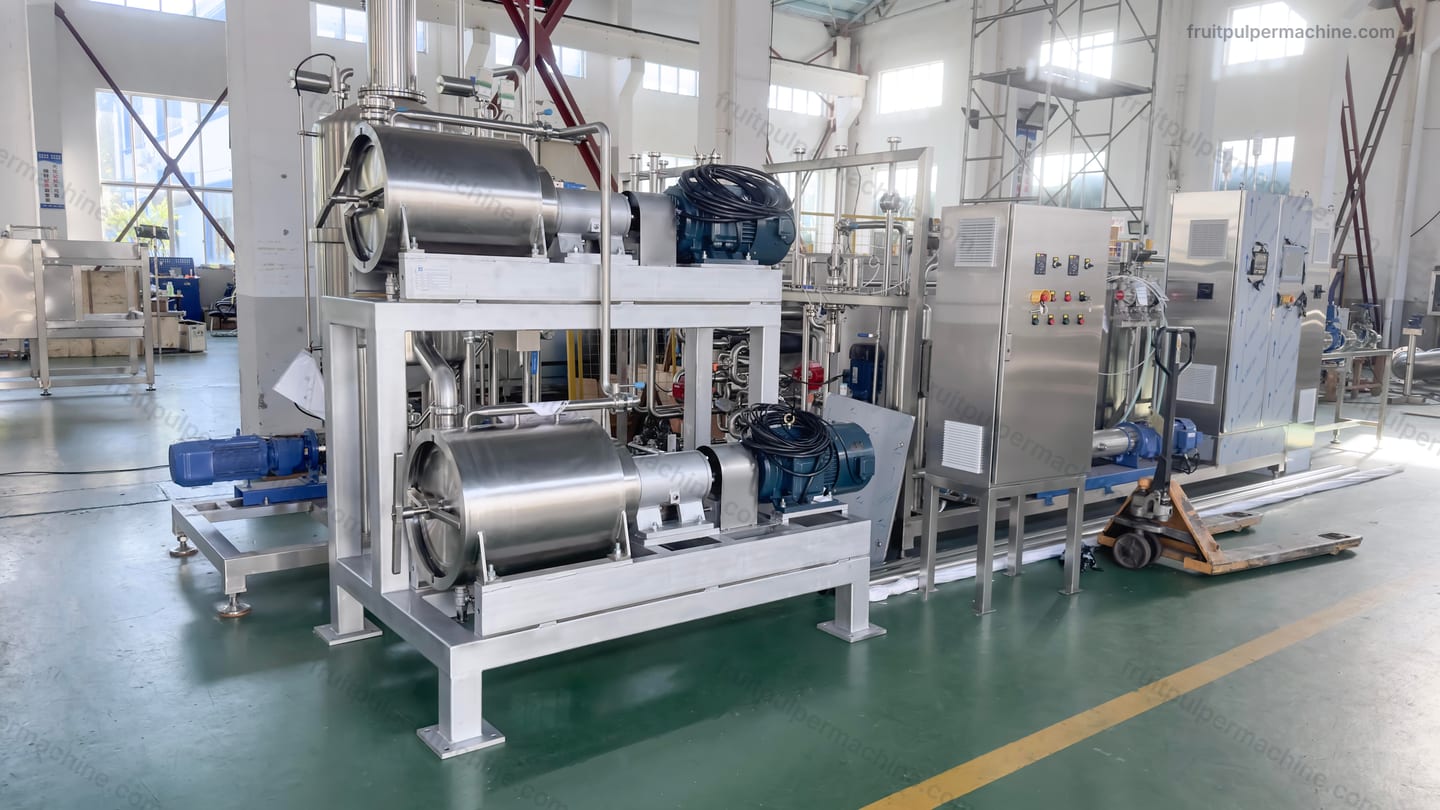
Category boundaries that prevent a false comparison
- The feed description starts after upstream preparation has been defined. Whole fruit, cut fruit, softened fruit, and a mixed feed with loose liquid do not present the same separation problem. A category decision that omits preparation can make two apparently similar proposals address different duties.
- The word pulp needs a project definition. Texture, visible particles, retained fibre, seed fragments, and suitability for the next operation can matter more than a broad product name. The desired outlet should be described in observable terms that can later become trial and acceptance questions.
- Reject is a designed stream rather than unexplained waste. Buyers should identify which structures they expect it to contain, how wet it may be allowed to remain, how it leaves the machine area, and whether its handling can disturb the pulp route. A vague reject description hides important process assumptions.
- Species, variety, maturity, peel, pits, seeds, and fibre change the behavior of fruit during preparation and screening. A useful category assessment records this variability instead of treating the fruit name as a complete feed specification. Representative material observations are more informative than a universal setting claim.
- The duty must include interfaces with the upstream feed, the downstream pulp destination, and the reject route. A pulper that is discussed without those interfaces may appear suitable in isolation while leaving transfer, finishing, or residue handling unresolved.
Follow the material through the decision
Observe the prepared feed
Record how the fruit reaches the proposed pulping step. Note its physical preparation, maturity range, free liquid, intact hard parts, peel condition, and fibrous character. This observation defines the starting boundary and reveals whether an upstream duty still needs attention.
Describe the mechanical action needed
Decide whether the duty calls for conveying, pressing, beating, scraping, or a combination that keeps soft material moving against a screen. This is a functional description, not a final machine choice. It gives later configuration discussions a shared purpose.
Define what should pass
Describe the desired pulp in terms connected to its next use. Include the expected texture, the coarse matter that should not appear, and the way the pulp will be transferred or finished. This keeps the screen decision connected to a process outcome rather than an isolated component description.
Define what should remain
List the skins, seeds, pits, fibre, or coarse pieces expected in the retained stream and state how that stream will be observed. Material that is difficult to classify should be included in a representative trial rather than assigned to an outlet by assumption.
Check the neighboring operations
Confirm that preparation can present a suitable feed and that downstream equipment can receive the resulting pulp. Give equal attention to reject discharge and removal. The category fits only when both product and residue paths can be integrated into the wider route.
Translate observations into a category decision
| Topic | Observed project condition | Meaning for pulper evaluation | Next decision action |
|---|---|---|---|
| Soft edible fraction with coarse structures | Prepared fruit contains a soft fraction together with skins, seeds, pits, or fibrous residue. | Mechanical movement against a screen may be a relevant separation function. | Define desired pulp and reject characteristics for a material trial. |
| Preparation route is still uncertain | The project has not decided how fruit will be sorted, trimmed, opened, softened, or transferred. | The pulping duty is not yet bounded well enough for a reliable comparison. | Resolve upstream decisions and describe the actual pulper inlet condition. |
| Pulp quality is named only by product | The outlet is called puree, pulp, or juice without an observable texture or separation target. | Different screen and preparation choices could satisfy different interpretations of the same word. | Write a product description that can be checked on representative material. |
| Discussion begins with isolated throughput | A requested flow is stated without feed condition, preparation, target pulp, or reject criteria. | The value cannot describe the full separation duty or establish comparable proposals. | Reframe capacity as a material and acceptance basis before discussing equipment. |
| Reject handling has no destination | The pulp route is described, but coarse residue discharge, collection, or removal is absent. | The proposed operation has an incomplete interface and cannot be assessed as a line duty. | Add the reject path to the process sketch and operating discussion. |
Prepare the inputs that make an inquiry useful
- Identify the fruit, relevant varieties, maturity range, and seasonal changes that may alter peel, fibre, seeds, pits, or softness. Attach observations to representative material rather than relying on a broad commodity label.
- Describe the condition at the pulper inlet, including prior sorting, washing, trimming, opening, cutting, or softening duties. State which of those duties are already fixed and which remain under evaluation.
- Define the wanted pulp through texture, visible coarse matter, downstream use, and any finishing step that follows. A sample or agreed observation method can make the description easier to test.
- List the structures expected in the reject and explain how that stream should leave the pulping area. Include uncertain material in the trial plan instead of assuming perfect separation.
- Connect the required production discussion to actual feed condition, preparation, target product, and acceptable reject or loss criteria. An isolated throughput request does not provide a comparable duty.
- Name the upstream feed source, downstream pulp destination, further finishing duty, and reject destination. Record unresolved interfaces so they remain visible during later configuration work.
Turn the category decision into a usable brief
Prepare the fruit condition, process position, desired pulp, reject expectation, and unresolved interfaces for a structured equipment inquiry.